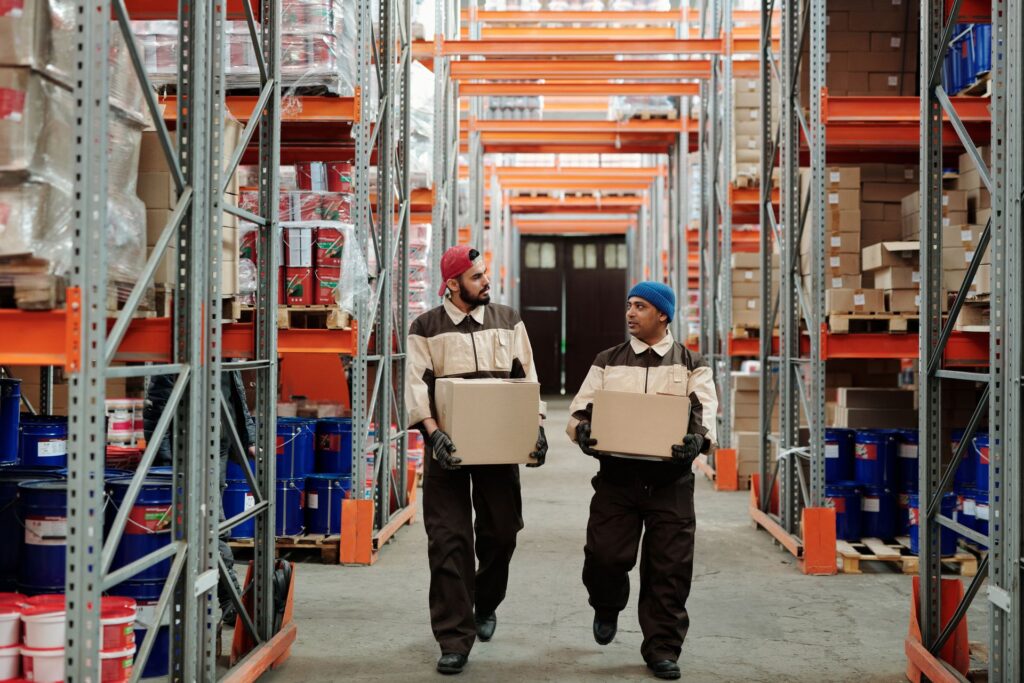
At 10 a.m., the forecast looks manageable. By lunch, a promotion takes off, inbound freight lands early, or a customer moves a deadline. Suddenly, the warehouse needs more hands before the backlog starts stacking up like boxes at the end of a full conveyor.
On-demand staffing for warehousing and logistics can help, but the staffing request is only one part of the plan. A warehouse that can add people quickly has already decided where they’ll work, who will train them, and how the shift will run.
Why Do Warehouse Volume Spikes Require a Flexible Labor Plan?
E-commerce keeps a steady stream of work moving through U.S. fulfillment networks. The U.S. Census Bureau’s quarterly retail e-commerce report tracks online sales as a significant share of total retail activity. For warehouse leaders, every sales increase eventually becomes a receiving, picking, packing, sorting, or shipping task.
Labor demand can also move quickly across transportation, warehousing, and utilities. BLS Job Openings and Labor Turnover data show monthly changes in openings, hires, and separations for the sector. That movement is a useful reminder that a fixed headcount won’t match every week of the year.
A flexible plan helps cover predictable peaks, promotions, customer launches, late inbound loads, absences, and backlogs without carrying the same headcount after the surge ends.
Can a Warehouse Add a Crew within 48 Hours?
With HireQuest Direct as your staffing partner, the answer if often “yes.” It depends on the market, crew size, shift, duties, required experience, screening, pay rate, transportation access, and how early the request is made. A promise of “workers in 48 hours” without those details is like quoting a freight lane without knowing the destination.
The fastest requests usually come from customers who already have an account, approved rates, clear job descriptions, known screening standards, and a repeatable orientation. The staffing office can focus on matching and dispatch instead of building the assignment from scratch.
What Information Does a Staffing Partner Need?
Give your staffing team enough information to picture the shift:
- Headcount by role and shift
- Start date, start time, and expected assignment length
- Job duties and productivity expectations
- Physical demands and environmental conditions
- Required experience or equipment familiarity
- Screening, background, and drug-testing requirements
- PPE and dress standards
- Site address, parking, transit, and check-in instructions
- Onsite contact and supervisor
- Timekeeping and approval process
If a role uses powered industrial trucks or other equipment, discuss qualification, training, and evaluation before dispatch. Don’t turn a material-handler request into a forklift assignment after the worker arrives.
How Should a Warehouse Prioritize Work During a Spike?
Adding new hires without reorganizing the work can create more traffic, not more output. Start with the bottleneck and ask four questions:
- Which orders or loads have the nearest cutoff?
- Which tasks can trained temporary workers perform safely?
- Which work areas have enough supervision and space for added staff?
- Which duties require equipment, system access, or experience that may limit the candidate pool?
Then assign new workers to clear, repeatable tasks such as unloading, sorting, picking, packing, sanitation, or staging, depending on the assignment. Keep the first-shift goal realistic. A new worker can contribute quickly, but no one becomes familiar with a building, system, and process the moment they walk through the door.
What Safety Steps Belong in a 48-Hour Plan?
Warehouses combine pedestrian traffic, lifting, repetitive motion, trailers, conveyors, and powered equipment. Identifying commons risks and potential ergonomic issues is key. (OSHA’s hazard resource and ergonomics guidance are solid places to start your research.)
The staffing provider and host employer should also agree on duties and hazards before dispatch. The host employer should provide site-specific orientation, emergency procedures, traffic rules, equipment restrictions, and direct supervision. The staffing provider should prepare employees for the assignment and stay involved when duties or conditions change.
Keep the orientation short enough to use, but complete enough to matter. Cover:
- Pedestrian and forklift traffic patterns
- Dock, trailer, conveyor, and rack hazards
- Lifting expectations and available aids
- Emergency exits and reporting procedures
- Required PPE
- Heat, cold, noise, or other environmental conditions
- Stop-work and incident-reporting expectations
How Do You Scale Back After the Surge?
Define the exit before the first shift. Decide which metric will show that the surge is under control, such as backlog volume, orders per hour, trailers waiting, or days of inventory.
Tell your staffing partner how much notice is needed to adjust the crew and which shifts should be reduced first. A phased step-down is often smoother than cutting the entire added crew at once, especially when demand forecasts are still moving.
Review what happened after the surge. Compare requested headcount with filled headcount, planned hours with actual hours, and expected output with completed work. Those notes become the starting point for the next plan.
How Can HireQuest Direct Support a Warehouse Surge Plan?
A local HireQuest Direct office can learn the facility, shift patterns, duties, and screening requirements before demand spikes. When the request comes, both teams are working from the same playbook.
For companies managing warehouses in several cities, HireQuest Direct’s national dispatch capabilities can help coordinate requests while local offices support recruiting and fulfillment in their markets. That balance keeps the process consistent without pretending every labor market works the same way.
Frequently Asked Questions
What is on-demand staffing for warehousing and logistics?
On-demand staffing provides flexible workers when order volume, inbound freight, seasonal demand, projects, or absences exceed the regular team’s capacity. Assignments may last one shift, several weeks, or longer.
Can HireQuest Direct staff a warehouse within 48 hours?
While we can’t guarantee fulfillment in every situation, HireQuest Direct offices are often able to staff warehouses and distribution centers within 48 hours. Crew size, shift, location, pay, experience, screening, transportation, and local availability all affect timing.
What warehouse positions can an on-demand staffing company fill?
Common roles filled by on-demand staffing companies include loaders, unloaders, material handlers, pickers, packers, sanitation workers, shipping and receiving support, and general warehouse associates. Equipment-based roles may require additional training or evaluation.
How should a warehouse prepare for a sudden volume spike?
First, identify the bottleneck, priority shifts, duties, headcount, and safety requirements. Then, share the plan with the staffing partner early, and prepare a repeatable orientation and supervision process.
Who trains temporary warehouse employees?
When it comes to training, both parties have responsibilities. The staffing provider prepares workers for the assignment, while the host employer usually handles site-specific hazards, equipment rules, emergency procedures, systems, and daily supervision.
How should a warehouse reduce temporary headcount after a spike?
We recommend defining a quantifiable trigger, such as backlog level or trailer count, and give the staffing provider the agreed notice. A staged reduction can help protect service levels while demand settles.