In the typical workplace, a no-call no-show creates a headache. Other employees have to pick up the slack, but you scramble to complete the day’s important tasks and move on. It isn’t so simple when you manage a mission-critical environment.
In a mission-critical environment, a single staffing gap can create problems that ripple throughout your organization. Suddenly, you fall behind schedule, and your employees face more safety issues. It’s a huge obstacle that affects everyone.
That’s why you need a reliable approach for mission-critical staffing that vets employees, ensuring that they have the skills and work ethic to work together as a team.
What “Mission Critical” Actually Means for Physical Labor
Mission-critical facilities can’t tolerate any downtime. They must remain continuously operational 24 hours a day, 7 days a week. Even the slightest disruption can have negative consequences on business, security, and safety.
We’re not talking about an office where other team members can do a little extra work to make up for the missing employee, or even a construction site, where a quick call to your staffing provider can lead to quick dispatch of someone who can help get the job done.
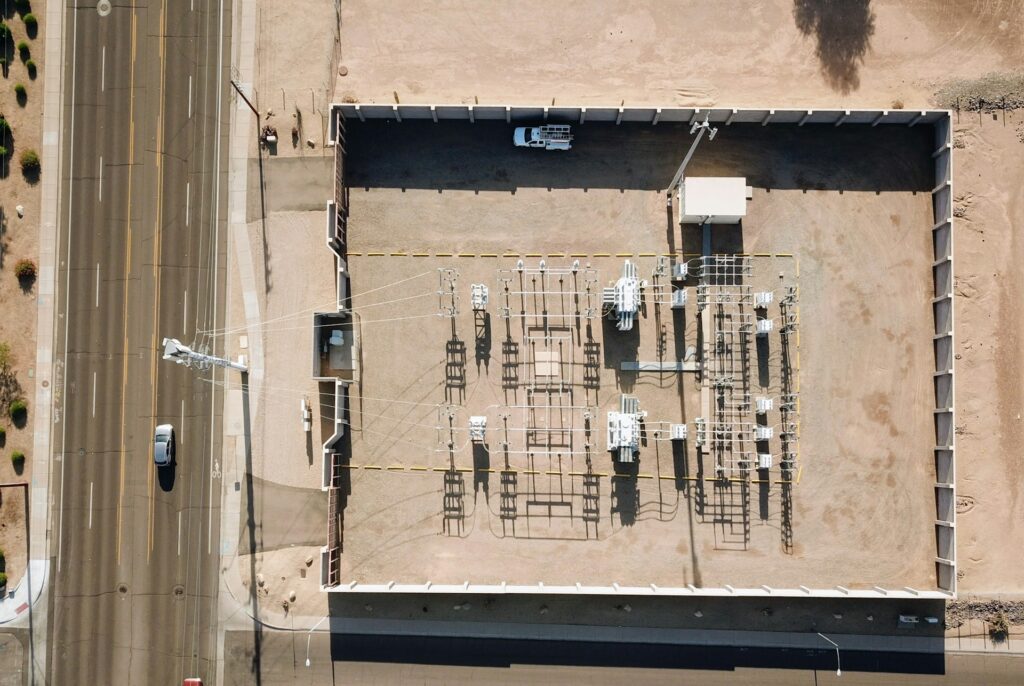
No, when it comes to mission critical, we’re talking about data centers, hospitals, manufacturing plants, and infrastructure facilities.
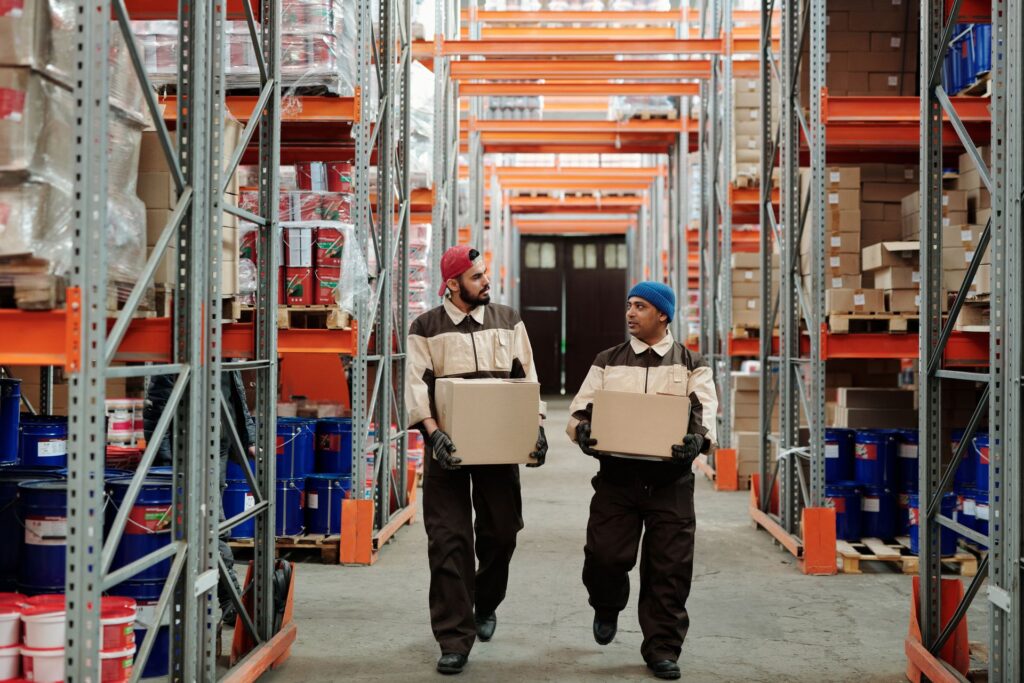
All of these environments require workers who can perform physical labor safely under high-pressure situations. No matter what the day throws at them, they follow procedures correctly to get the desired outcome. Just as importantly, they always show up for their shifts. They understand the importance of their jobs and take their work seriously.
What a Staffing Failure Actually Costs in These Environments
Companies can suffer significant financial and reputational damage when mission-critical employees don’t perform their jobs effectively. Let’s look at the numbers.
According to one report, 90% of large enterprises say that a single hour of downtime costs them more than $100,000. Other enterprises report that an hour of downtime can cost anywhere from $1 million to $5 million.
If these estimates seem high, consider that downtime can interrupt transactions, corrupt data, and lower productivity. If the HVAC system in a data center goes down for long enough, for example, the company could lose the information it needs to plan for the future. The damage is practically incalculable.
In sectors like healthcare and finance, you face more than lost revenue. You could also face regulatory penalties and lawsuits from unhappy clients. In worst-case scenarios, patients could lose their lives.
What does this have to do with mission-critical facility hiring? Uptime Institute reports that 85% of major outages are caused by human error. If staff members don’t follow the correct processes and procedures, they put your company in harm’s way.
Standard Vetting Was Not Built for This
Standard vetting is sufficient for most positions. The vetting process just needs to verify the applicant’s identity, confirm their work history, and conduct a criminal background check.
With mission-critical staffing, those are just the starting points. Unfortunately, standard vetting doesn’t include things like:
- Screening applicants for workplace reliability
- Assessing behavior to determine whether someone can operate safely in a high-consequence environment
- Prepare applicants for your facility’s specific protocols
To put it bluntly, the standard vetting process falls far short of your needs. It’s fine when you need to fill positions quickly, but it doesn’t consider important factors in mission-critical facility hiring.
What a Differentiated Vetting Process Includes
So, what should you expect from a vetting process designed for mission-critical facility hiring?
Reliability and Attendance History
Knowing how to do a job doesn’t mean someone will show up. Screening for gaps in work history and attendance problems can help companies avoid problematic hires.
Role-Matched Safety Screening
A generic safety checklist won’t cut it in a mission-critical environment. You need screening that ensures hires have been trained to work with hazardous equipment in sensitive conditions.
Site-Specific Orientation Before Day One
Every new employee needs to understand your specific site before their first day on the job. At the very least, they need an orientation that covers facility protocols, emergency procedures, and operational expectations. They shouldn’t touch anything until they’ve been trained.
Behavioral Fit for the Environment
Not everyone has the temperament to work in a stressful environment. Screen applicants to make sure they can follow instructions correctly under any circumstances.
The Cost Math Is Clear
Higher vetting standards cost more time and money than generic vetting, but it’s worth the investment. Let’s say you need to build a data center workforce. If every member of your team doesn’t have the right skills and temperament to do the job perfectly, you’re putting your company’s reputation and money on the line.
Connect With a Recruiter Who Understands Your Needs
HireQuest Direct has a nationwide network of professionals we can start vetting immediately. When you need to hire someone for a physical labor role in a mission-critical facility, reach out to a HireQuest Direct office near you to find the right employee.