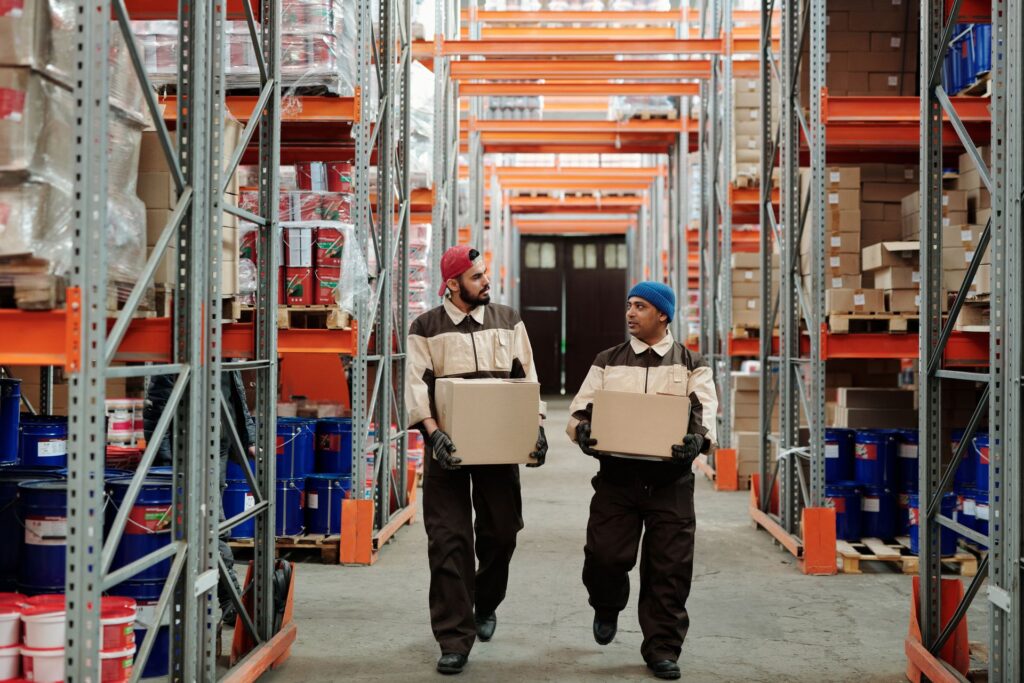
One event can involve separate crews for setup, parking, guest services, concessions support, and cleanup. If every group comes through a different vendor, the operations team spends event day juggling phone numbers, rosters, instructions, and invoices.
Multiple specialists may still make sense for licensed security, food service, medical support, or other regulated work. But for general event-support roles, consolidating event staffing can give venue leaders a cleaner line of sight from the first request through the final invoice.
1. How Does Vendor Consolidation Improve Accountability?
When five vendors own five pieces of the plan, small problems can bounce around like a loose ball. A late cleanup gets blamed on concessions. A guest-services gap gets blamed on parking. Meanwhile, the operations team is still trying to solve the problem.
One comprehensive staffing partner gives the venue a central contact for requests, schedule changes, attendance issues, and service follow-up. It doesn’t remove the venue’s responsibility to supervise the operation, but it makes escalation much simpler.
A practical accountability plan should identify:
- The venue lead and staffing lead
- Who receives call-offs and replacement requests
- Who may change headcount or shift times
- How performance issues are documented
- When the event recap will occur
2. How Can One Partner Support More Consistent Training?
Event workers may arrive from different backgrounds, but they shouldn’t receive multiple versions of the basics, like what to wear and where to report.
A consolidated staffing process helps venues create one starting point for arrival instructions, dress standards, conduct expectations, timekeeping, and general safety information, all delivered to employees by their staffing provider.
The venue still owns the details, such as evacuation routes, restricted areas, radio procedures, accessibility services, and event-specific hazards.
3. How Does Consolidation Simplify Onboarding and Credentialing?
Every additional vendor can add another roster format, badge request, screening process, orientation list, and records folder. That’s manageable for a small event. Across a season, it can start to look like half a dozen filing cabinets tipped onto the same desk.
A single staffing partner can standardize the information it controls, including worker rosters, employment onboarding, timekeeping, and agreed screening steps. The venue can then apply its own credentialing and access rules through one repeatable handoff.
4. Can One Staffing Partner Scale an Event Crew Faster?
Attendance forecasts change. Weather moves in. A sponsor adds an activation. A parking plan expands. With several vendors, the venue may need several calls before it knows whether the plan can change.
One staffing partner can receive the full request and help prioritize the roles that matter most. That doesn’t guarantee every last-minute position will be filled. Availability still depends on the market, role, shift, lead time, screening, and event requirements. The advantage is a single planning conversation instead of a chain of separate requests.
For the best response, share:
- Event date, venue, and expected attendance
- Roles, duties, and headcount by shift
- Check-in, parking, and credentialing instructions
- Dress standards and required equipment
- Screening, certification, and experience requirements
- Break plans, meal access, and timekeeping
- Onsite supervisors and escalation contacts
5. How Does Vendor Consolidation Improve Billing and Reporting?
Separate vendors often mean separate invoices, pay periods, job codes, and reporting formats. Even when each invoice is correct, comparing the total spend can take more work than it should.
A consolidated partner can provide a more consistent view of requested headcount, filled shifts, hours, attendance, and billing. Before the first event, agree on job codes, approval contacts, invoice timing, overtime authorization, cancellation terms, and the format for event-level reporting.
Good reporting shouldn’t stop at total hours. Track fill rate, call-offs, late arrivals, replacements, role changes, and supervisor feedback. Those details help the next event run better.
Which Event Roles Are a Good Fit for Consolidated Staffing?
Depending on local availability, screening, and venue requirements, HireQuest Direct supports a variety of roles such as:
- Setup and teardown workers
- Ushers and ticket takers
- Parking attendants
- Guest-services support
- Concessions support
- Janitorial and cleanup workers
- Load-in and load-out crews
- Unarmed security
How Can Multi-Location Venue Operators Use One Staffing Model?
The real benefit of consolidation is consistency without losing local knowledge. A local HireQuest Direct office can support the venue, market, and worker pool it knows. HireQuest Direct’s national dispatch capabilities can help multi-location operators coordinate requests, reporting, and service expectations across markets.
That combination gives operations teams one playbook while leaving room for each venue’s rules, schedules, and crowd patterns.
Frequently Asked Questions
What are event staffing solutions for vendor consolidation?
They allow a venue to coordinate several event-support roles through one staffing relationship. The model can simplify requests, communication, scheduling, reporting, and billing.
Does one staffing partner replace every event vendor?
No, a single preferred vendor doesn’t always replace other options. There are some specialized roles that may require a different vendor. Streamlining your staffing partnerships should focus on roles that can be managed safely and legally within one scope.
What event roles can HireQuest Direct help staff?
Roles HireQuest Direct often fills for events include setup, teardown, ushering, ticket taking, parking, guest-services support, concessions support, janitorial work, and general event support. Availability and requirements vary by market and event.
Can a consolidated model improve training consistency?
Yes. One partner can standardize general arrival, conduct, dress, timekeeping, and safety expectations. The venue must still provide event-specific, site-specific, and equipment-specific instruction.
How far ahead should a venue request workers?
Earlier is better, especially for large crews, overnight shifts, screening, credentialing, or multi-day events. Urgent requests may be possible, but fulfillment depends on local conditions and requirements.
Can one staffing partner support venues in several cities?
Yes, HireQuest Direct can combine national coordination with local office support. Each request still needs market-specific confirmation for roles, rates, availability, and requirements.