Extended producer responsibility legislation is expanding rapidly across the United States. As of April 2026, 33 states and Washington, D.C., have enacted EPR legislation for at least one product category. More mandates are coming, and each one creates new demand for drop-off and buy-back center operations.
The workforce to run those sites isn’t keeping pace.
Operators who don’t have a staffing plan in place before their sites go live will face operational gaps that hurt program performance, create compliance risk, and put unnecessary pressure on permanent staff. The waste management and remediation sector added more than 2,000 jobs nationwide in just the first four months of 2026. That growth sounds promising until you consider how many new sites are opening at the same time.
If you’re waiting until your site is live to think about staffing, you’re already behind.
What EPR Expansion Actually Means for Staffing Demand
EPR mandates create a policy-driven demand spike. The labor market doesn’t respond to legislation on the same timeline that legislators write it.
Each new drop site requires consistent staffing for material intake, sorting, contamination screening, and customer interaction. Workers need to be trained to handle a wide range of materials across product categories that can include textiles, paint, batteries, mattresses, electronics, pharmaceuticals, tires, and more. That’s not a skill set you find in a general labor pool.
Operators managing multiple sites across a region face compounding challenges that a single local agency can’t solve. Volume varies significantly by location and collection cycle. A site that’s lightly trafficked one week can be overwhelmed the next, depending on community participation and collection schedules. Without a flexible labor strategy, you’re constantly reacting instead of running a program.
The operators winning on EPR execution right now are the ones who engaged a staffing partner before their sites opened, not after the first shift went unstaffed.
Why the Workforce Gap Is Bigger Than It Looks
Drop-off and buy-back center roles are specialized enough that general labor pools don’t reliably produce qualified workers. These positions combine high public interaction with physical material handling, which makes them more demanding than they appear on a job posting.
Here’s what these roles actually require on any given shift:
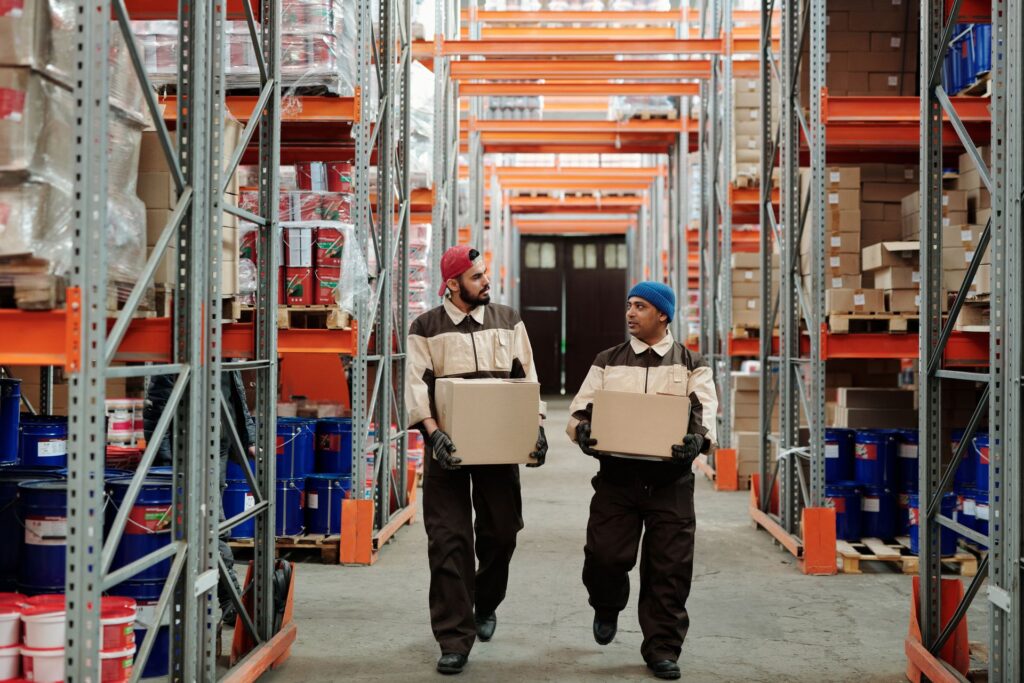
- Gate attendants are the first point of contact for the public. They need to be organized, patient, and able to explain program guidelines clearly to community members who may be unfamiliar with the process.
- Material handlers move product through the site efficiently and safely. Physical stamina and familiarity with proper lifting and handling techniques are non-negotiable.
- Sorters need to identify materials accurately and catch contamination before it creates downstream problems. Errors at this stage affect the integrity of the entire collection.
- General laborers keep the site moving during high-volume periods, handling overflow and supporting other roles as needed.
Workers sourced without proper screening for these roles turn over quickly. That turnover creates gaps, forces your permanent staff to cover, and drives up costs in ways that compound over time. For procurement teams managing multiple sites, that problem multiplies fast.
What a Staffing Partner with Recycling Experience Provides
A staffing partner with waste and recycling experience doesn’t just fill headcount. They maintain a bench of workers already familiar with material handling, sorting protocols, and customer-facing recycling operations.
Pre-site engagement means workers are vetted, oriented, and ready before the first drop-off day. Your extended producer responsibility workforce arrives through the staffing agency, completes training based on your site’s specific requirements, and understands safety protocols and daily expectations before they ever set foot on your floor. That preparation shortens ramp-up time and reduces the early turnover that plagues sites that hire reactively.
On-demand scaling lets you match staffing levels to actual site volume. You’re not carrying headcount you don’t need during slow cycles, and you’re not scrambling when volume spikes.
EPR Compliance Is Only as Strong as the Operations Behind It
An unstaffed or understaffed drop site isn’t just an operational problem. It’s a program credibility problem. Missed intake, contamination errors, and poor public interactions all reflect on the program itself.
HireQuest Direct works with EPR operators to build staffing strategies that keep sites running before, during, and after launch. Contact a HireQuest Direct location near you to start the conversation.