Most data center bids get the skilled trades right. Electricians, mechanical crews, and systems specialists are priced down to the hour. General labor often gets a rough placeholder, on the assumption that laborers will be easy to find once the site opens.
That assumption is getting expensive. Data center construction spending hit a record of about $85 billion at a seasonally adjusted annual rate in August 2026, up 73.2% from a year earlier, according to KPMG’s analysis of the latest federal construction spending data. Every new project pulls from the same local labor pool.
If you’re pricing a data center job in one of the busiest markets, it pays to plan and price your general labor now, before the bid goes out. Read on to learn why it matters, where the pressure is highest, and what to ask before you lock in your number.
Why Is General Labor So Easy to Underprice on a Data Center Bid?
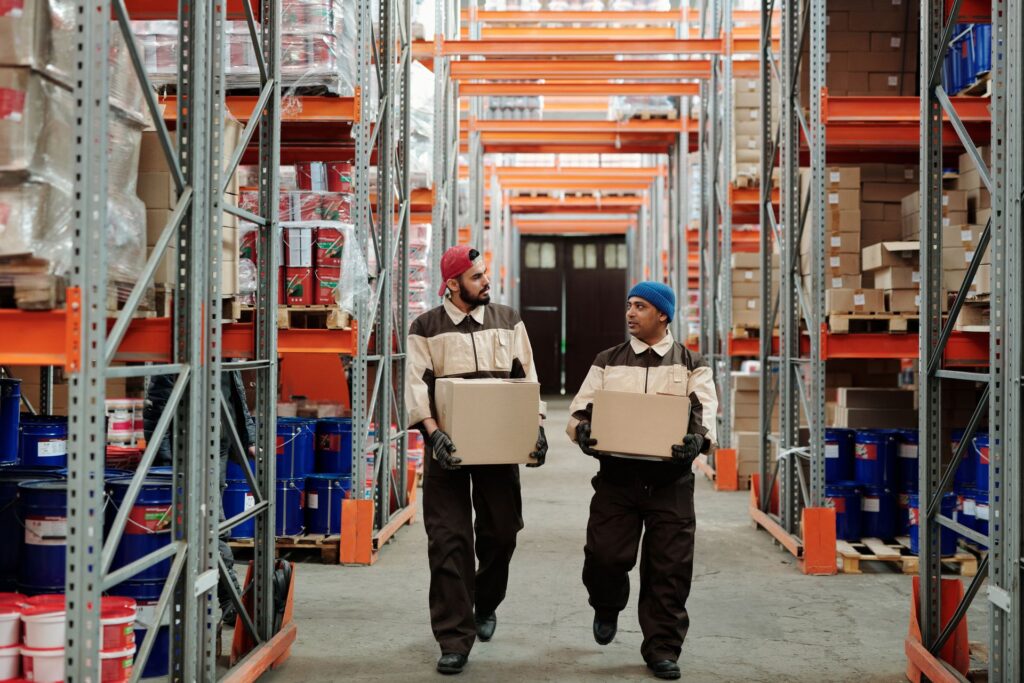
General laborers are as essential to a data center build as engineers and electricians. They get overlooked because contractors assume they’ll always be available. On a typical project, general labor crews:
- Prep and clean the site
- Load, unload, and stage materials
- Support trade crews with hands-on help
- Install temporary fencing
- Assist with traffic and gate control
- Give the building its final cleanup before commissioning
Demand for these roles rises and falls along the project timeline. Crew sizes change fast. Laborers who finish one phase move on to other jobs, and they’re often gone by the time you need them again. On large builds, the scale adds up quickly. Brookings notes that large-scale data center construction often totals around 1,500 skilled trade workers, and those crews need support on the ground every day.
How Tight Is the Construction Labor Market Heading Into 2027?
The wider industry is short of workers, and that makes data center staffing harder. Associated Builders and Contractors estimates the industry must attract about 349,000 new workers in 2026 and 456,000 in 2027, as reported by the National Roofing Contractors Association. Most of the 2026 need comes from retirements, not new demand.
Costs are moving, too. In its coverage of the August spending report, Construction Dive noted that ABC’s chief economist sees materials and labor cost escalation returning in the second half of 2026, while the Associated General Contractors of America’s chief economist warned that workforce shortages continue to grow.
The BLS projects about 137,000 openings a year for construction laborers and helpers over the next decade, with a median wage of $22.44 an hour in May 2025. In a market with several big projects underway at once, the contractor with a plan gets the crew. Failing to budget for general labor means accepting it may not be there once work begins.
Which States Are Seeing the Most Data Center Construction?
All seven of these states rank in the top 15 for total data centers, both operating and planned. The figures come from Pew Research Center’s analysis of Data Center Map figures from February 2026. Some, like Virginia and Texas, have the biggest totals. Others, like Georgia and Indiana, are growing fastest from a smaller base. If you’re bidding in any of them, source and budget general labor early.
Virginia
Virginia leads the national data center boom, with 685 facilities operating or planned, including 287 in the pipeline. Notable operations include facilities developed by Digital Realty and CyrusOne, in operation since 2019. Aligned brought a facility online in 2023, and Cologix opened one in 2026.
Texas
Texas ranks second, with 466 data centers operating or planned. About 170 of those are still in the pipeline, the second-highest count of planned projects in the country after Virginia. A pipeline that deep means contractors compete for the same general labor across overlapping timelines.
Illinois
Illinois has 262 data centers operating or planned, with 123 in the pipeline. The state used tax incentives to draw investment, but the Illinois State Association of Counties reports that Gov. JB Pritzker paused those incentives effective July 1, 2026, until the state adopts a regulatory framework for data centers. Watch how the pause affects project timing before you commit to crew sizes.
Georgia
Georgia has 235 data centers, and 141 of them are planned rather than operating. That puts it third in the country for planned projects. The growth has local effects: Georgia Tech research found that when a data center opens, employment in the host county rises by about 3.5% and wages by about 5%, on average. Rising wages are good news for workers and a budgeting challenge for contractors pricing labor months in advance.
Arizona
Arizona has 184 data centers. Nearly half, 86 in all, are planned or under construction, so the need for reliable general laborers is still climbing.
North Carolina
North Carolina has 113 data centers operating or planned, with 41 in the pipeline. One of the biggest is still ahead: Amazon plans to invest $10 billion in a data center campus in Richmond County, according to the North Carolina Department of Commerce. Projects that size pull from the same local labor pool as everything else being built in the region.
Indiana
Indiana has 92 data centers, and 54 of them are planned. Only two states in Pew’s top 15 have more planned than operating: Indiana and Georgia. The biggest project is in Lebanon, IN. Meta broke ground there in February 2026 on a $10 billion data center campus, and the Indiana Economic Development Corp. expects it to need more than 4,000 construction workers at peak. When one job site needs that many people, every other contractor nearby feels the squeeze.
What Does an Underpriced Labor Line Look Like on the Job?
Picture a mechanical contractor that wins a data center package in a busy market. The bid covers skilled crews in detail but carries general labor as a flat allowance. Then site work ramps up at the same time as two other projects nearby. Laborers get harder to find, the rate climbs, and the superintendent spends mornings on the phone instead of running the job. Every hour of missing support slows down the trades you priced at a premium.
Now picture the same bid with a labor plan behind it: headcount by phase, a staffing partner lined up, and a rate that reflects the local market. The number may be a little higher. It’s also a number you can deliver.
5 General Labor Questions to Ask Before You Price the Job
Local markets change both the demand for laborers and the cost. Answer these questions before you price your bid:
- How many laborers do you need per phase? Site prep, material handling, and final cleanup each call for a different headcount.
- How many other projects are competing for the same workers? In a market with a deep project pipeline, assume competition and price for it.
- Who handles onboarding, site orientation, and badging? Decide whether your team or your staffing partner owns each step, and build the time into your schedule.
- What’s the plan for same-day labor replacement? When a worker doesn’t show, you need a fast fill. Line up a partner for same-day general labor before you need it.
- How will you scale down when a phase wraps up? Carrying extra crew after a phase ends eats margin as fast as running short.
Build labor requirements directly into your bid, including ramp-up and coverage for overlapping tasks.
Call HQD Before You Submit the Number
Your bid is only as strong as the labor plan behind it. HireQuest Direct combines a national presence with locally owned offices, connecting your job with experienced general laborers ready to support even the largest data center projects. Talk with your local office about headcount and timing by phase before ground breaks.
Find your nearest HQD office or request workers and set up a call before you place your bid.
Frequently Asked Questions
What General Labor Tasks Can HireQuest Direct Workers Handle on Data Center Sites?
HireQuest Direct general laborers can handle site prep and cleanup, material handling, trade crew support, temporary fencing, and traffic and gate control on data center sites. They can also give the building its final cleanup before commissioning. The Bureau of Labor Statistics lists similar duties for construction laborers and helpers.
How Quickly Can HireQuest Direct Fill a Data Center Labor Order?
HireQuest Direct fills work orders as soon as possible, often within 24 hours. Locally owned offices handle short-notice and on-demand requests, so you can add workers when a phase speeds up. You can also scale back when it winds down.
Why Are Data Center Contractors Turning to Staffing Partners Like HireQuest Direct?
Data center contractors turn to staffing partners like HireQuest Direct because the build-out is growing faster than local labor pools. Spending on data center construction reached about $85 billion at a seasonally adjusted annual rate in August 2026, up 73.2% year over year, according to KPMG. A staffing partner gives you a bench of general laborers to draw on when several projects compete for the same workers.
How Does HireQuest Direct Help Contractors Avoid Labor Shortages Mid-Project?
Local HireQuest Direct offices help contractors avoid mid-project labor shortages by planning headcount with you by phase, before the job starts. Agree up front on how replacements work, who handles site orientation, and how fast crews can scale up or down. Then your local HireQuest Direct office can fill gaps without stalling the schedule.
Can HireQuest Direct Staff Data Center Projects in More Than One State?
Yes, through our National Accounts program, HireQuest Direct can staff data center projects across the US. National Accounts clients have one point of contact and a dedicated account manager. Invoicing and terms are the same across all your sites, and local teams fill the orders. That’s a big plus in high-growth markets like Virginia, Texas, and Georgia.